Epoxy Patch Gel vs Traditional Concrete Patch: Which Is Better?
Mar 25, 2026
In this guide, we will compare epoxy patch gels and traditional concrete patching materials so you can decide which solution is best for your repair project.
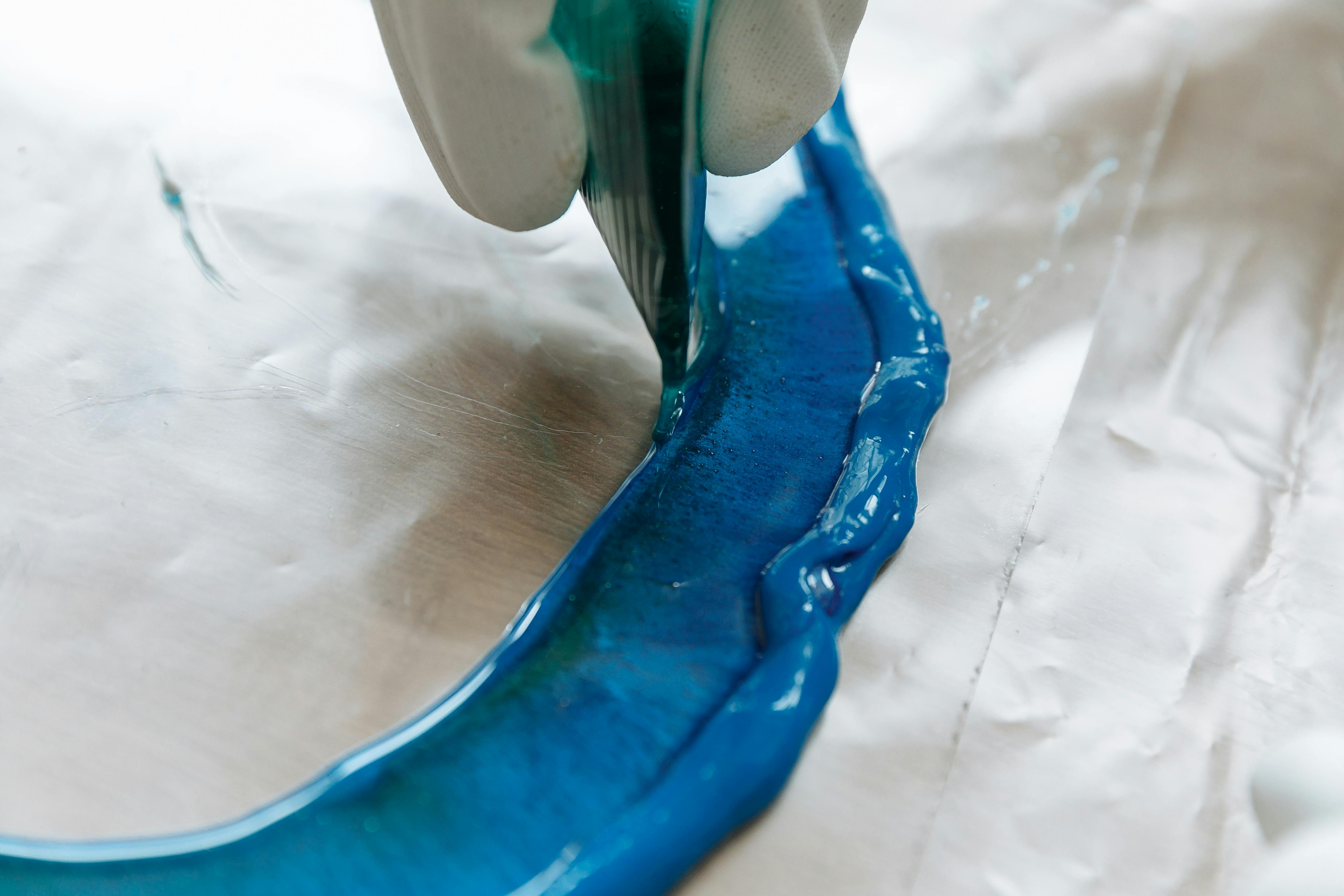
Concrete surfaces take a lot of abuse over time. Cracks, chips, and surface damage are common in driveways, garages, industrial floors, and patios. When it comes time to repair these issues, many people ask the same question. Should you use a traditional concrete patch or a modern epoxy patch gel?
Both options can repair damaged concrete, but they work differently and deliver different results. In this guide, we will compare epoxy patch gels and traditional concrete patching materials so you can decide which solution is best for your repair project.
What Is Epoxy Patch Gel?
An epoxy patch gel is a high-performance repair material made from epoxy resins and hardeners. When the two components are mixed, they create a strong chemical reaction that forms a durable bond with existing concrete.
Unlike traditional patching materials, epoxy patch gels are designed to penetrate cracks and adhere tightly to the surrounding surface. This creates a repair that is stronger and more resistant to damage.
Epoxy patch gels are commonly used in:
Industrial facilities
Warehouses
Commercial floors
Parking garages
Concrete surfaces that will receive coatings
Because of their durability and strong adhesion, epoxy repair products are widely used in professional concrete repair projects.
What Is a Traditional Concrete Patch?
Traditional concrete patching materials are usually cement-based compounds designed to fill cracks, holes, and surface damage in concrete. These products are widely available and have been used for decades in residential and commercial repairs.
Cement-based patching compounds work by filling the damaged area and hardening as they cure. While they can be effective for basic repairs, they rely mostly on mechanical bonding with the existing concrete surface.
Traditional patch products are often used for:
Small cosmetic repairs
Sidewalk patching
Minor driveway damage
Filling shallow holes and chips
They are typically easy to apply and inexpensive, which makes them a common choice for basic repair projects.
Key Differences Between Epoxy Patch Gel and Concrete Patch
Understanding the differences between these materials can help you choose the right repair solution.
Bond Strength
One of the biggest advantages of epoxy patch gel is its bonding strength. Epoxy chemically bonds with concrete, creating a repair that becomes part of the original surface.
Traditional concrete patch products rely on surface adhesion. Over time, this can lead to separation between the repair and the surrounding concrete, especially in high-traffic areas.
Durability
Epoxy patch gels are designed to withstand heavy loads, chemical exposure, and constant traffic. This makes them ideal for commercial and industrial environments.
Traditional concrete patches are generally less durable. While they work well for light repairs, they may wear down faster in demanding environments.
Resistance to Moisture and Chemicals
Concrete floors in garages, warehouses, and industrial spaces are often exposed to oils, water, and chemicals. Epoxy repair products provide excellent resistance to these substances.
Traditional cement patches are more porous and can absorb moisture over time, which may lead to deterioration.
Application and Workability
Traditional patch materials are usually simple to mix and apply. Many products come in ready-to-use formulations that make repairs straightforward for DIY users.
Epoxy patch gels require mixing two components before application. While the process is still manageable for many repairs, it requires careful timing and proper preparation.
Example Epoxy Patch Gel Product
Professional contractors often rely on specialized epoxy repair materials for long-lasting repairs.
Epoxy Patch Gel 7200
Epoxy Patch Gel 7200 is a high-performance repair solution designed for filling cracks, holes, and surface damage in concrete. Its thick gel consistency allows it to stay in place during application, even on vertical surfaces.
Common uses include:
Repairing damaged concrete floors
Filling cracks before applying floor coatings
Restoring chipped or worn concrete surfaces
Industrial floor maintenance
This type of repair material is designed to provide strong adhesion and long-term durability.
Rapid Set Crack Patch 100
Another commonly used repair product is Rapid Set Crack Patch 100, which is designed for fast and durable crack repairs in concrete surfaces. It cures quickly and provides strong bonding, making it ideal for projects where downtime must be minimized.
Typical applications include:
Warehouse floors
Parking structures
Commercial concrete repairs
Surface preparation before coatings
Both repair products are available through ConDecor San Antonio and are frequently used in professional concrete repair work.
When Epoxy Patch Gel Is the Better Choice
An epoxy patch gel is usually the better option when durability and strength are the top priorities.
Epoxy-based repairs are ideal for:
Industrial or commercial concrete floors
Areas exposed to chemicals or oils
High-traffic environments
Repairs that must last for many years
Surfaces that will receive epoxy coatings
Because epoxy bonds so strongly to concrete, it is often used when long-term performance is critical.
When Traditional Concrete Patch Works Well
Traditional patch materials can still be useful in certain situations.
They are often a good choice for:
Minor cosmetic repairs
Small cracks or chips
Residential sidewalks and patios
Low-traffic areas
For quick fixes where durability is less critical, cement-based patches can be a practical solution.
Choose the Right Repair Solution for Long-Lasting Concrete
Repairing damaged concrete is not just about filling cracks. Choosing the right material can determine whether the repair lasts a few months or many years.
Modern solutions like epoxy patch gel offer superior bonding strength, durability, and resistance to moisture and chemicals. These benefits make epoxy-based repair products the preferred choice for many professional contractors.
High-performance repair materials such as Epoxy Patch Gel 7200 and Rapid Set Crack Patch 100, available through ConDecor San Antonio, provide reliable solutions for repairing cracks and restoring damaged concrete surfaces.
If you are planning a concrete repair project, selecting the right repair material is one of the most important decisions you can make. Explore the concrete repair products offered by ConDecor San Antonio to find durable solutions that help protect and extend the life of your concrete surfaces.