How to Repair Concrete Cracks Yourself (And When to Call a Professional)
18 mar 2026
In this guide, we will walk through the basics of repairing concrete cracks yourself, the tools and materials you need, and how to recognize when it is time to call a professional.
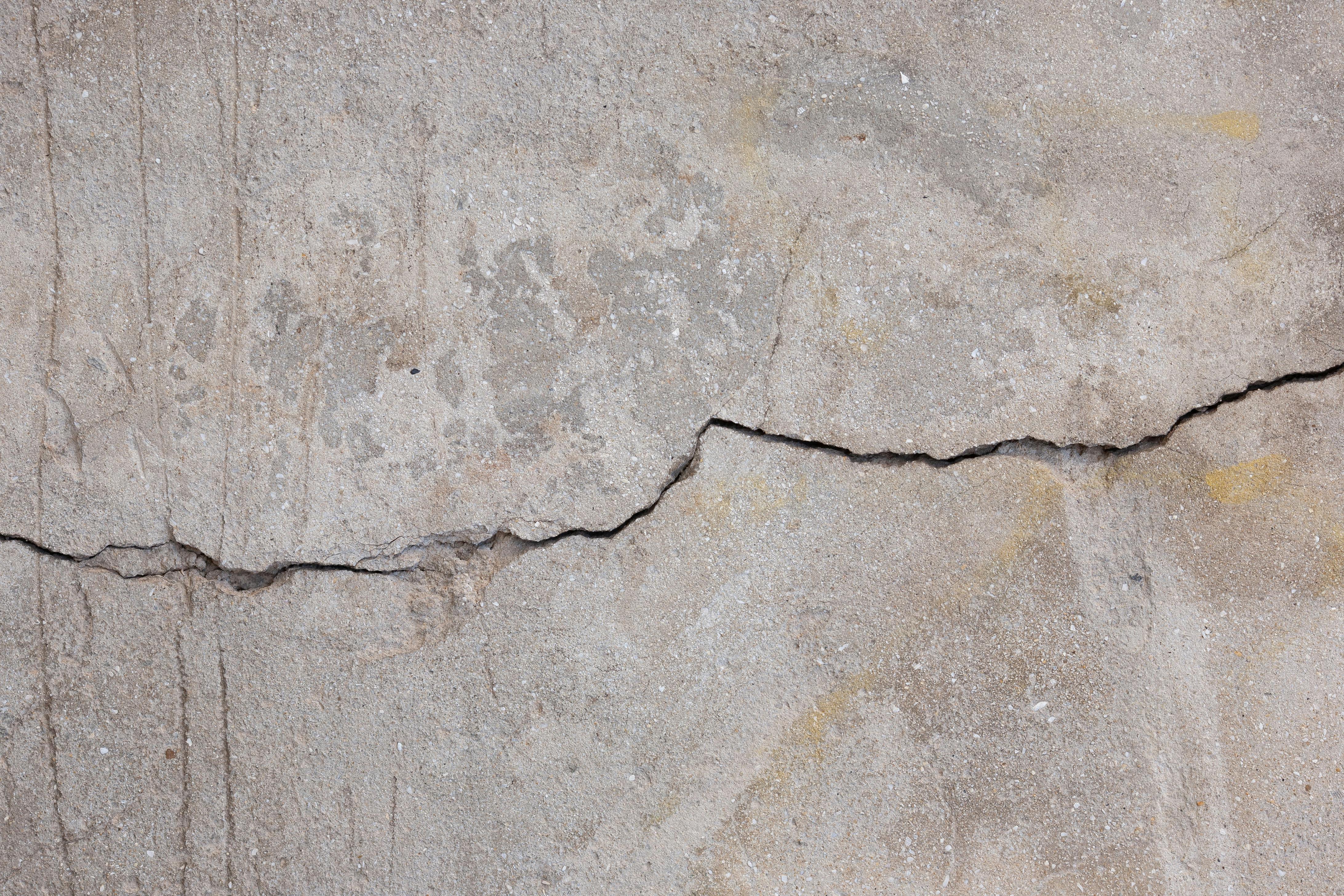
Concrete cracks are common in driveways, patios, garage floors, and foundations. While some cracks are minor and easy to fix, others may signal deeper structural issues. Knowing how to repair concrete cracks properly can help prevent further damage, extend the life of your concrete, and save money on costly repairs later.
In this guide, we will walk through the basics of repairing concrete cracks yourself, the tools and materials you need, and how to recognize when it is time to call a professional.
Why Concrete Cracks
Concrete is strong, but it naturally expands and contracts due to temperature changes, moisture, and ground movement. Over time, this stress can cause cracks to appear.
Some of the most common causes of concrete cracks include:
Temperature changes and freeze-thaw cycles
Soil settling beneath the slab
Heavy loads or vehicle traffic
Improper installation or curing
Water infiltration
Not all cracks are serious. Many are cosmetic and can be repaired easily with the right materials. The key is identifying the type of crack before choosing a repair method.
Types of Concrete Cracks
Before you attempt to repair concrete cracks, it is important to understand what type of crack you are dealing with.
Hairline Cracks
Hairline cracks are thin surface cracks that often appear as concrete cures or settles. These cracks are usually cosmetic and can be repaired with simple patching materials.
Shrinkage Cracks
Shrinkage cracks form when concrete loses moisture during the curing process. They are usually small and non-structural but can allow moisture to enter if left untreated.
Structural Cracks
Structural cracks are larger and often wider than 1/8 inch. These cracks may run deep through the slab or foundation and could indicate underlying structural problems.
If a crack continues to widen, shifts over time, or appears in foundation walls, professional evaluation is recommended.
Tools and Materials You Will Need
Most small repairs can be completed with basic tools and repair materials. Having the right supplies will make the repair easier and more effective.
Common tools include:
Wire brush
Chisel or crack chaser
Shop vacuum or compressed air
Putty knife or trowel
Caulking gun
For repair materials, professionals often recommend high-performance products designed specifically for crack repair.
Epoxy Patch Gel 7200
Epoxy Patch Gel 7200 is commonly used to fill cracks, holes, and surface damage in concrete. Its thick gel consistency allows it to stay in place during application, making it useful for both horizontal and vertical surfaces.
It is frequently used for:
Surface crack repair
Small patch jobs
Preparing concrete floors before coatings are applied
Rapid Set Crack Patch 100
Rapid Set Crack Patch 100 is designed for fast and durable repairs. It cures quickly and provides strong bonding to existing concrete, making it ideal for areas that need to return to service quickly.
Typical applications include:
Industrial concrete floors
Warehouse slabs
Concrete repair before applying coatings
Both products are available through ConDecor San Antonio and are commonly used by contractors for reliable concrete repairs.
Step-by-Step Guide to Repair Concrete Cracks
Repairing small cracks is often a straightforward process if the surface is prepared correctly.
Step 1: Clean the Crack
Use a wire brush or chisel to remove loose debris and damaged concrete from the crack. Cleaning the area ensures the repair material bonds properly.
After brushing, use a vacuum or compressed air to remove dust and debris from the crack.
Step 2: Prepare the Crack
For narrow cracks, slightly widening the opening can improve adhesion. A crack chaser or small chisel can help create a clean repair area.
This step allows repair materials to penetrate deeper into the concrete.
Step 3: Apply the Repair Product
Apply the chosen repair product directly into the crack. For deeper cracks, work the material into the opening to eliminate air pockets.
Smooth the surface with a putty knife or trowel to ensure an even finish.
Step 4: Allow the Repair to Cure
Follow the manufacturer’s instructions for curing time. Rapid repair products may harden quickly, but it is still important to allow enough time before exposing the surface to traffic.
Proper curing helps ensure the repair lasts as long as possible.
When to Call a Concrete Professional
While many cracks can be repaired with DIY methods, some situations require professional evaluation and repair.
You should consider calling a professional if:
The crack is wider than 1/4 inch
Multiple cracks appear across a slab
The crack continues to expand over time
The concrete surface becomes uneven or shifts
Cracks appear in foundation walls
Structural cracks may require specialized repair methods such as epoxy injection, reinforcement, or slab stabilization.
Attempting to repair these types of cracks without professional help may only hide the problem temporarily.
Preventing Future Concrete Cracks
While not all cracks can be prevented, proper maintenance can reduce the likelihood of serious damage.
Here are a few preventative measures:
Seal concrete surfaces regularly
Ensure proper drainage around slabs and foundations
Avoid excessive heavy loads
Repair small cracks before they grow larger
Routine maintenance helps extend the life of concrete surfaces and prevents minor issues from becoming major repairs.
Start Your Concrete Repairs with the Right Products
Learning how to repair concrete cracks can help homeowners and property managers protect their concrete surfaces and avoid expensive replacements. Many small cracks can be repaired quickly with proper preparation and high-quality repair materials.
Professional-grade solutions such as Epoxy Patch Gel 7200 and Rapid Set Crack Patch 100, available through ConDecor San Antonio, provide durable repairs for a wide range of concrete surfaces.
If you are planning a repair project, choosing the right materials makes all the difference. Explore the concrete repair solutions offered by ConDecor San Antonio to find reliable products that help restore and protect your concrete for years to come.